In modern building design, collaboration between architects and structural engineers is critical to project success. When teams work in disconnected systems, design conflicts, delays, and costly revisions become common. This is where bim structural engineering creates real value. BIM helps teams create a more transparent communication platform that minimizes design errors by bringing architects and structural engineers into one coordinated digital environment, enabling teams to deliver more efficient and buildable outcomes.
Today, projects demand greater speed, accuracy, and coordination than ever before. That is the very reason why bim structural engineering was created, cementing in the design teams workflow from idea to construction.
How BIM Structural Engineering Improves Team Collaboration?
This ultimately does away with a form of working separate from the same drawings and one of the biggest advantages of bim structural engineering is that the architects and structural engineers work from the same intelligent model. Typical work-flows see architects creating design intent whilst the structural team interpret and redraw systems in isolation. This frequently creates coordination gaps.
With BIM, both teams work inside a common digital model, to which any updates will also reflect in real time. If the architect makes changes to floor layouts or openings, or elevations, the structural engineer can immediately judge its impact on beams, columns, slabs, and load paths.
This shared workflow improves:
- Design transparency
- Faster decision-making
- Fewer coordination errors
- Better communication across teams
By using bim structural services, both disciplines remain aligned throughout the design process.
What Are the Key Benefits of Using BIM in Structural Engineering Projects?
BIM has become common practice for structural workflows for a number of reasons. One of the main advantages is the increased visibility. If you could summarize the basics of structural systems in a sentence, it would be: structural systems are not just reviewed in 2D plans anymore. Teams can instead instrumentalize 3D full structural assemblies and align them against architectural intent.
Key benefits include:
Improved Design Accuracy
Engineers that believe in structural bim modeling create overspecific models, which reduces the chance for ambiguity and improves design precision. Dimensions, material data and connections are all coordinated over the course of the project.
Early Clash Detection
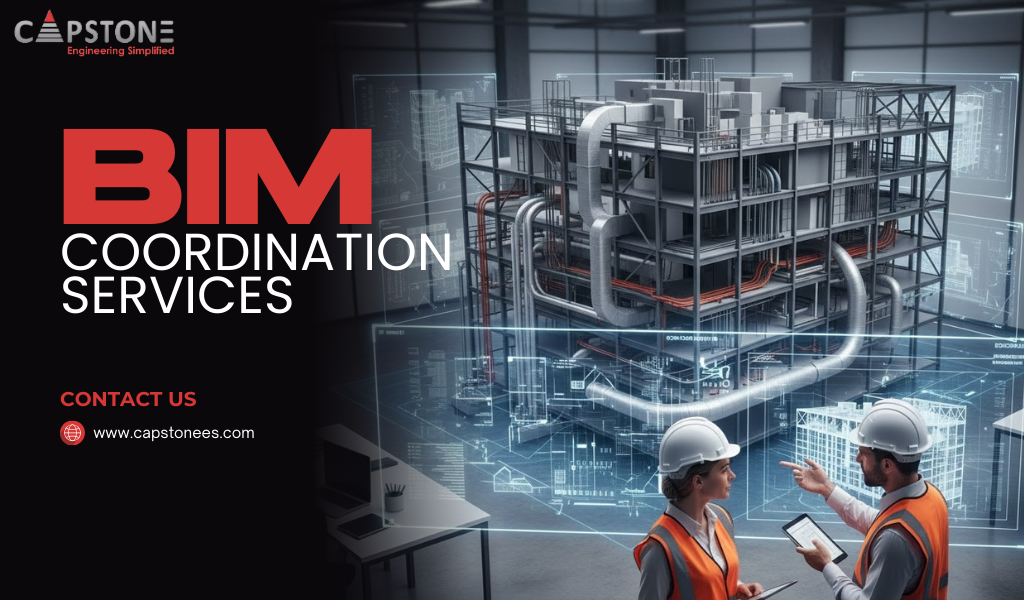
Building Information Modeling (BIM) can prevent conflicts between structural and architectural systems long, long before breaking ground. This results in less expensive rework and enhanced buildability.
Faster Coordination
As a result of using a single source of truth, each team can collaborate more seamlessly in design reviews, making them faster and more efficient as well. Eliminating issues early can save architects and engineers time and money later in the process.
Better Documentation
As fast as coordinated BIM models create more accurate drawings, schedules and quantities, thereby minimising documentation errors.
Improved Construction Planning
Utilizing structural 3d bim modeling services allows contractors to have far greater clarity and insight into structural systems which makes for more effective sequencing and site execution.
The Role of Structural BIM Modeling in Design Efficiency
Structural bim modeling is an efficient system that gives structural engineers an intelligent method for designing and coordinating systems. Engineers can update a model, and the changes will be automatically reflected in views, sections and schedules, without manually adjusting disconnected drawings.
This reduces the repetitive process of drafting and lets teams spend more time on engineering decisions. It also provides architects with more transparency into limitations caused by structural factors sooner in the design process.
Structural 3d bim modeling services provide faster, cleaner, and reliable coordination with its variations of complex commercial and infrastructure projects.
Also read:- How to Choose the Best BIM Consultant for Large Commercial Projects?
Top BIM Service Providers Specializing in Structural Engineering
Select a structural bim services provider that does service related to bim A good BIM partner does not only model structures, they aid with coordination, reduce design risks, and provide discipline-specific support for overall better project efficiency.
The best providers typically offer:
- Structural modeling expertise
- Multi-disciplinary coordination
- Clash detection and model validation
- Construction-ready documentation
- Experience with international standards
When you partner with an experienced company like Capstone Technologies LLC, they can help you streamline workflows for architects, consultants and contractors with practical and scalable bim structural engineering services specifically tailored for your project.
What Are the Typical Costs Associated with Adopting BIM for a Structural Engineering Practice?
The price objective with working towards BIM in structural technology is dependent on various aspects such as the device, dimensions of your crew, your schooling of the group, complexity of your project, and so forth. The initial investment at many firms consists of licenses for BIM software, support to implement it, training staff and setting up workflows.
Typical cost factors include:
- BIM software subscriptions
- Training and onboarding
- Modeling standards development
- Coordination and QA processes
- Project complexity and scale
The initial investment might look hefty, but BIM is typically a money saver over the long haul by eliminating rework, increasing productivity and shrinking design clashes. The payoff becomes evident over time with quicker delivery and improved project results.
Why BIM Matters More in Complex Projects?
With complexity in buildings comes greater demand for coordination between architecture and structure. That's set against the domain of large commercial buildings, industrial facilities, and infrastructure projects where there's often greater precision and collaboration needed.
It is here that bim structural engineering comes into place. It does this by embedding design decisions in a coherent workflow that is visible, quantifiable, and easier to validate prior to construction.
Capstone Technologies LLC uses BIM to aid teams in improving structural coordination, mitigate design risks, and deliver more predictable outcomes.
Final Thoughts
Bim structural engineering has transformed how architects and structural engineers collaborate. By replacing disconnected workflows with shared digital models, BIM improves communication, design accuracy, and construction readiness. From bim structural services and structural bim modeling to advanced structural 3d bim modeling services, BIM enables better coordination at every project stage. For firms seeking reliable collaboration and scalable project delivery, working with an experienced structural bim service provider like Capstone Technologies LLC can create lasting value.
FAQs on BIM Structural Engineering
1. How does BIM improve collaboration in structural engineering?
BIM allows architects and structural engineers to work in one shared model, improving coordination, reducing errors, and speeding up design decisions.
2. What is structural BIM modeling?
Structural BIM modeling is the process of creating intelligent 3D structural models for coordination, analysis, and documentation.
3. Why are BIM structural services important?
BIM structural services improve design accuracy, clash detection, and construction planning across structural workflows.
4. What does a structural BIM service provider do?
A structural BIM service provider develops coordinated structural models, improves interdisciplinary collaboration, and supports project delivery.
5. Is BIM cost-effective for structural engineering firms?
Yes. While BIM requires initial investment, it reduces rework, improves efficiency, and delivers long-term cost savings.
Stay ahead with the latest insights on engineering innovation, technology, and project success! Follow our LinkedIn page for expert updates on Engineering Solutions that power the future.


